Blog · 98 articles
Practical guides on Shopify, e-commerce, and the craft of running an online store — written by the team behind Polo Themes.

Design · August 23, 2026
Healthcare commerce UX should prioritize clarity, privacy, safe claims, accessible forms, and clear boundaries between shopping and clinical care.
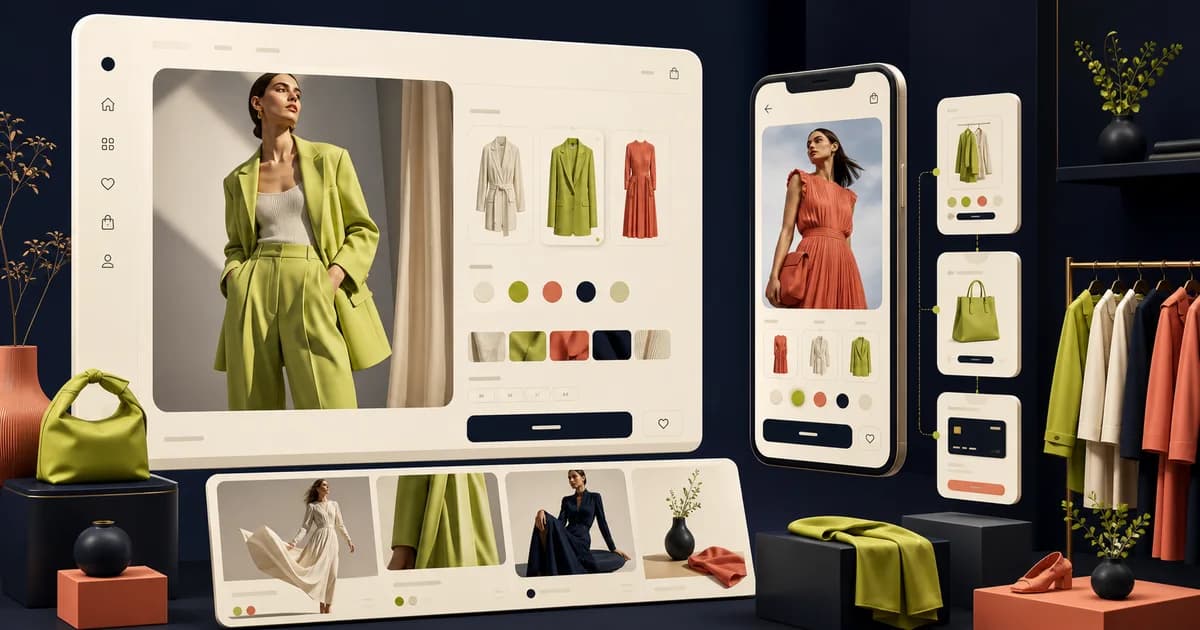
Fashion store design should combine strong art direction with practical product comparison, fit and size guidance, variant clarity, and consistent media.
Course platform design should make outcomes, curriculum, instructor context, level, workload, access terms, and learning progress clear.
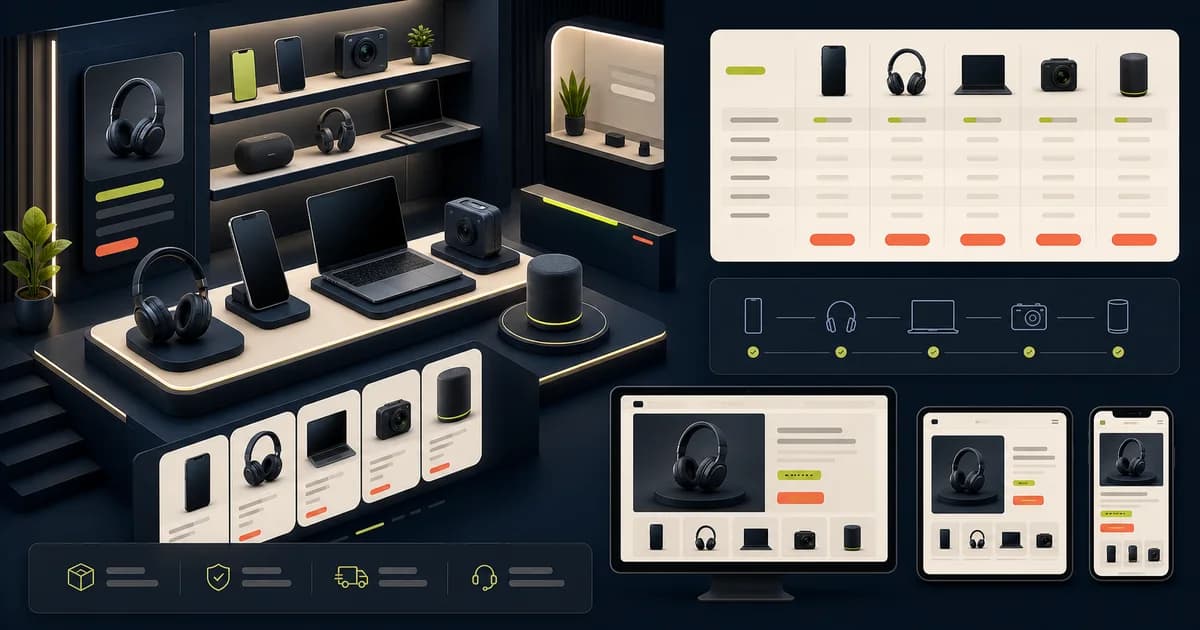
Electronics stores should prioritize structured specifications, compatibility, comparison, variant identity, warranty context, and search across dense catalogs.
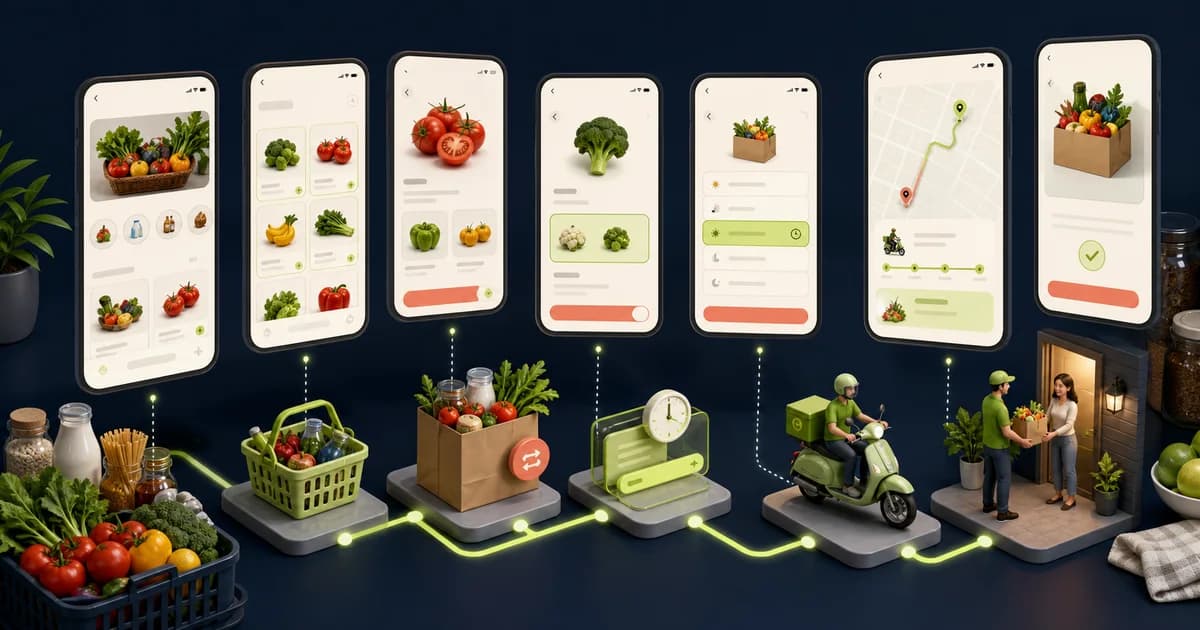
Grocery delivery UX should support repeat shopping, substitutions, quantities, freshness, delivery slots, fees, and changing availability.
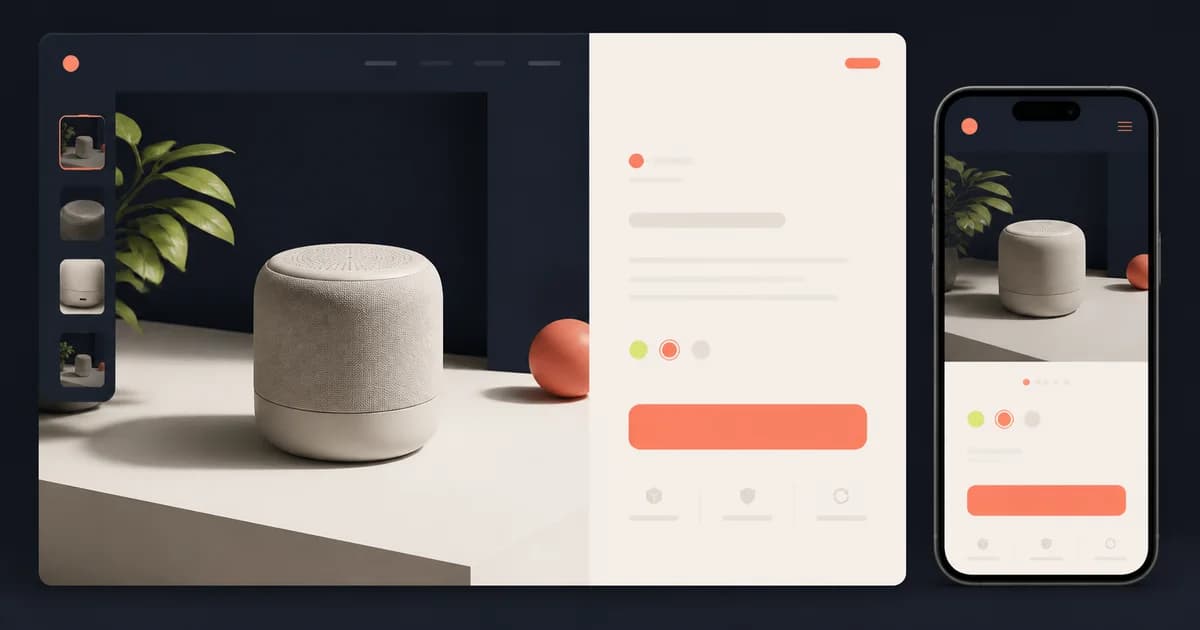
The strongest 2026 commerce trends improve product understanding, adaptable systems, accessible interaction, and operational truth—not decoration alone.
Minimalist commerce design removes competing decisions while preserving product evidence, navigation, policies, feedback, and accessibility.
Dark mode for e-commerce requires a complete semantic color system, tested media, readable text, visible controls, and user or system preference handling.
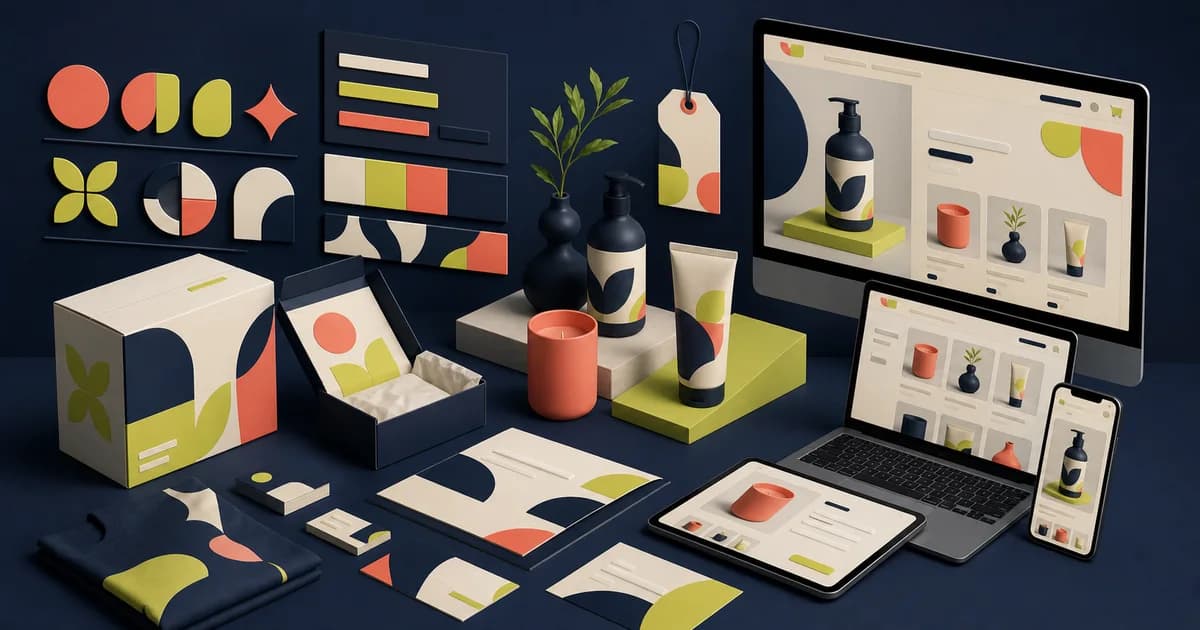
E-commerce brand identity turns positioning into a consistent system of voice, type, color, imagery, motion, service, packaging, and storefront behavior.
E-commerce typography should create readable hierarchy across product data, price, options, forms, policies, localization, and responsive layouts.
Product photography should represent items accurately across scale, detail, context, and variants while remaining accessible and performant.
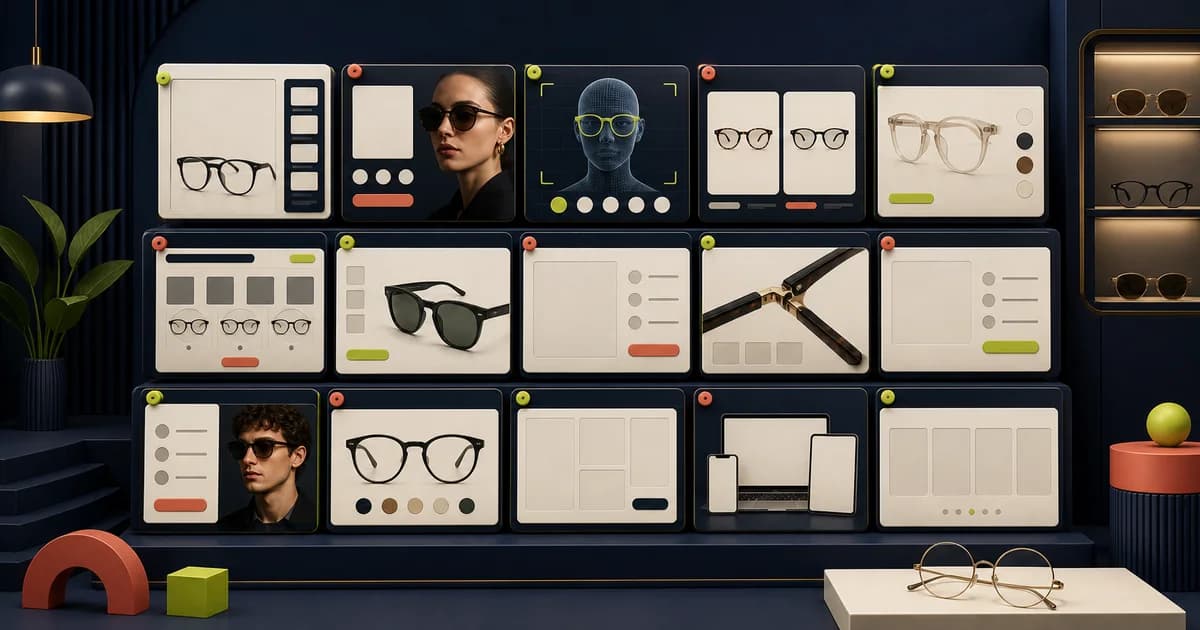
Fifteen real eyewear sites to study for clearer discovery, fit information, prescription handoffs, and support—not a ranking of brands.
Page 4 of 9