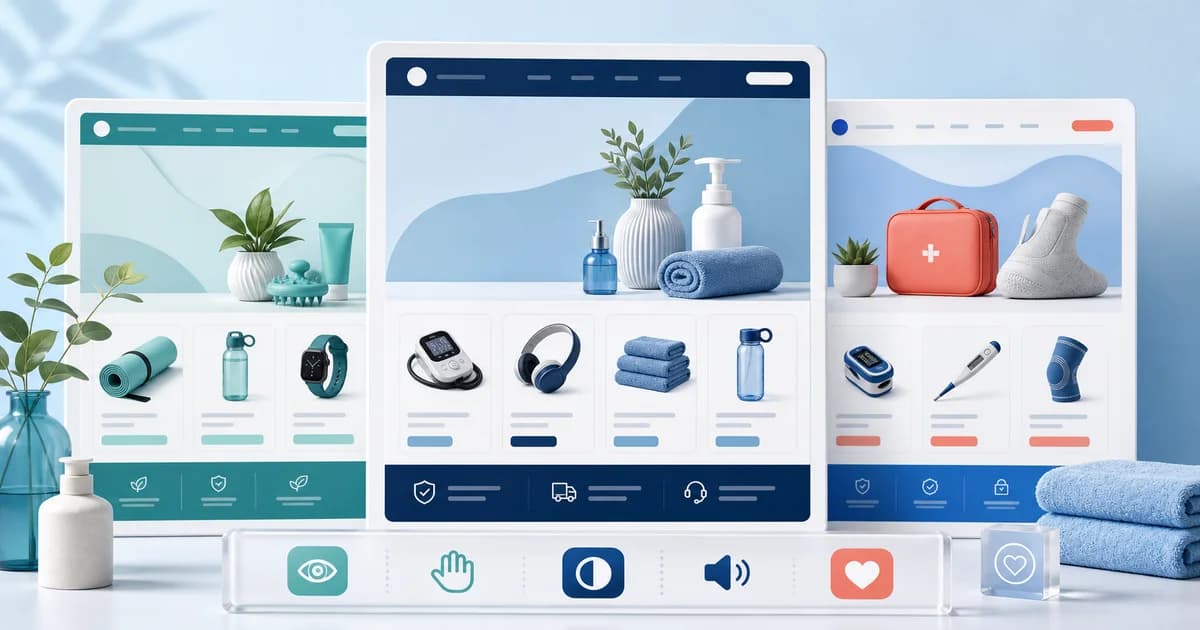
Shopify · August 23, 2026 · 10 min read
Best Shopify Themes for Cosmetics & Beauty Brands
Rank Wosa, Be Yours, and Broadcast for shade identity, finish, ingredients, variant media, routines, and evidence-governed beauty claims.
By Polo Themes
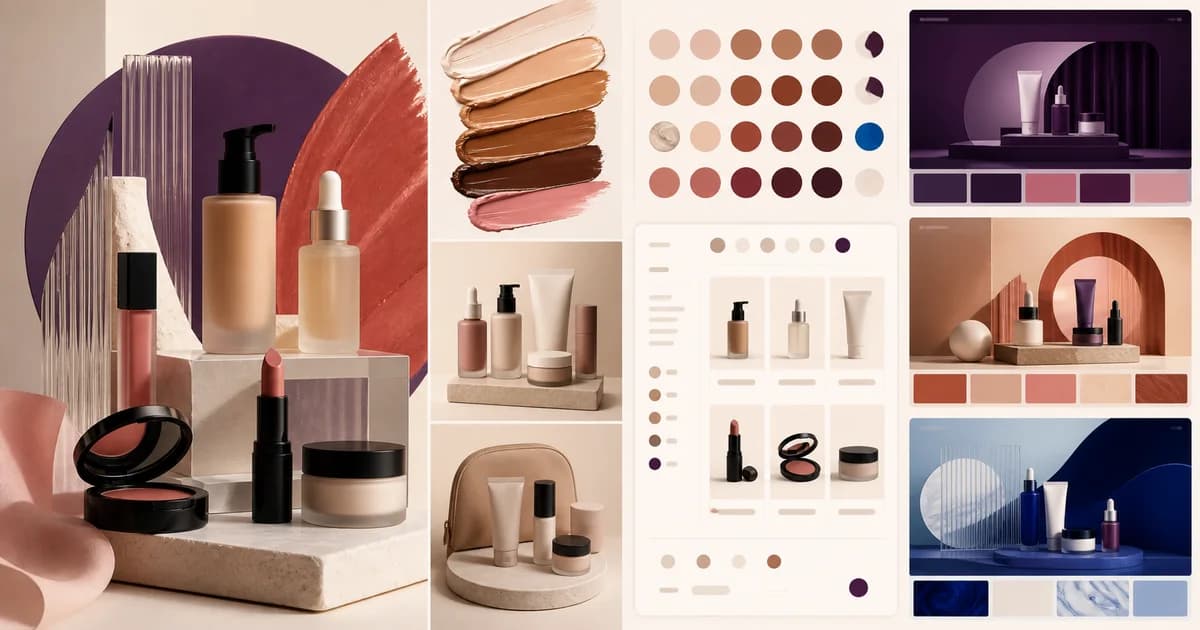
Beauty selection depends on accurate shades, finish and texture context, complete ingredient information, use guidance, inclusive media, and disciplined claims. This editorial ranking starts with the closest Polo structure and two named Theme Store controls. It is an evaluation order for shade-, finish-, ingredient-, and routine-conscious shoppers, not a promise of sales, speed, compliance, or specialist functionality.
Which themes should a cosmetics brand shortlist?
The Shopify Theme Store’s Be Yours lists color swatches, product options, product tabs, ingredient information, filtering, and before-and-after media. That makes it a product-merchandising control beside Wosa and Broadcast. Use the clothing theme comparison as the visual baseline, then score named shades, finishes, ingredients, media, routine roles, and claims as synchronized commerce data.
1. Wosa — closest Polo adjacent fit
Wosa is the closest Polo adjacent fit for a visual beauty assortment because its seeded clean typography and fashion-led presentation can carry editorial collections. Polo does not seed it for beauty, and it does not supply shade matching, formulation data, ingredient governance, safety review, claim approval, batch controls, or hygiene-aware returns. In this cosmetics and beauty comparison, rank 1 identifies the nearest Polo structure to preview; the merchant’s controlled catalog test can reverse the order.
2. Be Yours
Be Yours is the strongest current official beauty candidate because its Theme Store page explicitly describes skincare, fragrance, and beauty use and lists ingredient information, usage information, swatches, product options, lookbooks, and before-and-after media. Those sections present merchant data; they do not verify a formulation, shade match, safety statement, before-and-after methodology, or cosmetic claim. In this cosmetics and beauty comparison, rank 2 identifies the first independent control to preview; the merchant’s controlled catalog test can reverse the order.
3. Broadcast
Broadcast is the editorial merchandising control, with official listings for swatches, high-resolution galleries, zoom, options, tabs, video, filtering, and collection navigation. Its promotional tools can amplify weak or unsupported claims, so ingredient access, shade identity, use guidance, and qualification must outrank urgency modules. In this cosmetics and beauty comparison, rank 3 identifies the second independent control to preview; the merchant’s controlled catalog test can reverse the order.
What should decide a cosmetics theme ranking?
Named shade identity, representative swatches, linked media, ingredient access, finish, net quantity, and governed claims should decide the ranking. FDA’s Summary of Cosmetics Labeling Requirements identifies product identity, net quantity, and ingredient declaration among labeling elements. Reject setups where color alone identifies a variant, routine language becomes treatment language, or quick buy skips consequential information.
- Shade identity. Swatch name, image, model or skin context, selected variant, stock, and cart line should agree under documented capture conditions.
- Ingredient access. The complete maintained ingredient information and product-specific qualifiers must be readable, searchable where needed, and version-owned.
- Finish and texture evidence. Media and wording should describe observable finish or texture without turning lighting differences into a performance promise.
- Routine without medical overreach. Navigation may support routine step or shopper concern only when labels remain cosmetic, accurate, and approved.
- Use, hygiene, and returns. Size, applicator, directions, warnings, patch-test language where approved, shelf context, and opened-product policy need visible homes.
How can a beauty catalog expose theme weaknesses?
Cross-check the skincare theme guide with near-identical shade names, one finish in several formats, a refill fitting only one case, and market-approved wording. Shopify’s Variants says each combination of option values can form a variant, so track selected shade, media, ingredients, quantity, refill compatibility, claim scope, price, and stock through quick buy, cart, and reorder.
- Cloud Tint: six named shades photographed under one maintained setup, including two close shades that expose swatch and gallery synchronization.
- Glass Balm: one transparent finish and two tinted variants, with texture media that does not imply a result beyond approved wording.
- Soft Powder: a refillable compact separating initial case, pan shade, refill compatibility, included components, and replacement purchase.
- Daily Cleanser: an ingredient-rich, non-shade product that tests whether beauty styling can still carry long factual content and use guidance.
- Unavailable shade: one sold-out variant plus a restock state that never manufactures urgency or substitutes a merely similar shade silently.
How should beauty discovery use shade, finish, and routine role?
Use shade and finish as factual discovery fields, and routine role as maintained context rather than diagnosis. Shopify’s Adding filters with Shopify Search & Discovery permits custom filters sourced from product options, metafields, or metaobjects. Give every swatch a visible name, keep selected media, price, stock, and identifier synchronized, and expose routine exceptions before purchase.
A cosmetics catalog must help shoppers interpret color and texture across devices without pretending screens are exact. Define a controlled shade name, family, undertone description, finish, coverage or intensity description, format, net quantity, ingredient record, usage, and removal or care information where relevant. Wosa is an adjacent visual fit for campaign imagery and variant-led shopping, not a beauty-specific engine. Shade matching, augmented try-on, ingredient analysis, product claims, and recommendation quizzes need their own evidence, providers, and acceptance tests.
Different cosmetic families need different comparison priorities. Complexion products may lead with shade and finish; mascara may require applicator and effect descriptions from approved copy; a palette requires exact pan contents; a tool needs dimensions, materials, and care. Use distinct templates only where those buyer questions change materially, while keeping shade naming, quantity, ingredients, and cart identity consistent across the range.
Create a shade range that breaks weak swatches
Preview a complexion product with many shades, a lipstick with several finishes, a single-shade product whose texture matters, and a routine bundle. Use consistent product swatches, neutral product photography, texture views, and varied model imagery whose purpose is explained by context rather than token inclusion. Selecting a shade should update its readable name, relevant media, exact availability, and cart line. A collection filter such as matte should return only products whose finish field is maintained, not items tagged from campaign copy.
Beauty-commerce failure modes
- Color without names: near-identical circles are the only selector, making shades difficult to identify, revisit, or discuss with support.
- Lighting inconsistency: swatches and model photos use unknown conditions, yet the page presents differences as directly comparable.
- Concern as claim: filters or navigation convert a shopper concern into an unsupported promise about a product outcome.
- Bundle opacity: a set image looks complete while sizes, included shades, substitutions, or individually unavailable components are unclear.
Implement a shade-selection acceptance pass
- Normalize shade records. Give every variant a durable name, family, descriptive attributes, image set, and inventory identity.
- Document media conditions. Keep capture and editing practices consistent enough that the catalog does not manufacture differences between products.
- Test without color alone. Ask users to find and reselect a shade using labels, keyboard or touch controls, and cart information as well as visual swatches.
- Audit routine language. Trace every concern, ingredient, result, and usage statement to the merchant-approved product source and remove theme-demo implications.
Cosmetics and beauty failure modes
- Swatch drift: a shade chip, marketing name, photograph, selected variant, and shipped item use conflicting identities.
- Lighting as result: editorial imagery is interpreted as proof of coverage, color, finish, duration, or suitability that the product evidence does not establish.
- Concern becomes treatment: filters or collection headings imply prevention, cure, or guaranteed outcomes beyond approved cosmetic language.
- Ingredient burial: the full maintained list, warnings, or product size sits behind imagery and promotions or is copied inconsistently across variants.
Which acceptance tests prove cosmetics variants stay truthful?
Select shades by name and swatch, compare finishes on varied skin tones, switch a refill relationship, and change markets. FDA’s Summary of Cosmetics Labeling Requirements calls for identity, net quantity, and ingredient declaration. Inspect quick buy, cart, confirmation, and reorder; require the selected product’s image set, label facts, claims, identifier, price, stock, and compatibility without stale content.
- Create a shade standard. Approve naming, swatch values, capture setup, model context, variant mapping, and change ownership.
- Compare close shades. Ask testers to switch two similar options and confirm every image, label, availability state, price, and cart line updates.
- Trace every claim. Map finish, wear, suitability, ingredient, safety, or outcome language to the approved source and required qualifier.
- Read the long product. Find complete ingredients, directions, warnings, size, applicator, delivery, and return context on a phone without losing the purchase state.
- Test refill compatibility. Verify case and refill are identified separately, only confirmed combinations are recommended, and the basket states what is included.
- Exercise hygiene returns. Place and cancel test orders across unopened, opened, damaged, and wrong-item scenarios using the merchant’s actual approved policy.
Why should shade families, refills, and market claims remain separate?
Shade families organize discovery, refills require physical compatibility, and claims require evidence for a defined product and market. FDA’s Cosmetics Labeling Claims explains that intended-use claims can cause a cosmetic to be regulated as a drug. Model each relationship explicitly so changing shade cannot imply refill fit and changing market cannot retain unapproved wording.
A beauty catalog often fails when one option control is asked to represent shade, formula, finish, and package format at once. Test a complexion product whose shades share one formula, a lip color offered in two finishes with partially overlapping shades, and a refill that fits only a named case generation. Wosa is the closest Polo fashion structure and should prove it can expose a large shade family without hiding selection. Be Yours is the specialist presentation control for beauty-oriented merchandising, while Broadcast tests tutorial and campaign storytelling. The winning configuration may use separate product families where a combined page would imply unavailable shade-finish combinations. Each card and page should name what changes, show the selected item’s size and package, and prevent a refill from appearing to include the reusable case.
Claims and required information can vary by product category, selling market, and fulfillment destination. Keep ingredient lists, warnings, responsible-party details, permitted claim wording, and translations in governed content rather than embedding one universal statement in a visual section. Legal and regulatory owners should define the applicable rules; the theme test should prove that market-specific content appears consistently in search context, the product page, quick buy where allowed, cart, and order review. Include a reformulated shade that retains its marketing name but changes identifier or ingredients. The interface should identify the current formula, avoid merging old reviews or imagery without disclosure, and ensure a repeat buyer can tell that the item changed. No theme animation compensates for a stale formula record.
Key Takeaways
- Wosa is an adjacent visual foundation. Cosmetics-specific shade logic, ingredients, refills, claims, and routine relationships still need deliberate implementation.
- Every shade needs a durable name. Swatches and photography support identification, but the name must survive selection, cart, fulfillment, and reorder.
- Refills are compatibility relationships. State the supported case or component explicitly and distinguish the refill from the complete product.
- Claims belong to governed product records. Routine navigation, badges, and campaign imagery must not broaden approved wording or imply treatment.
Final decision for a cosmetics and beauty catalog
Wosa remains Polo’s closest adjacent visual fit, but Be Yours should be the strongest independent challenger because Shopify’s current page explicitly positions it for beauty. Broadcast tests a promotion-rich editorial approach. Whichever wins must preserve shade identity, ingredients, approved claims, directions, warnings, refill relationships, and policy clarity after all demo storytelling is replaced.
Frequently asked questions
Is Wosa a beauty-specific Polo theme?
No. Its beauty use is an adjacent recommendation based on a fashion-led visual structure. Ingredient, shade, safety, claim, and batch controls are separate merchant responsibilities.
Why is Be Yours ranked second if it is beauty-oriented?
This list labels the closest Polo option first by assignment, then names official alternatives. A real weighted evaluation may move Be Yours above Wosa when its tested structure better fits the catalog.
Do color swatches prove shade accuracy?
No. They are presentation controls. Accuracy requires maintained shade identity, calibrated content practices, variant-linked media, and honest explanation of display limitations.
What should a beauty test order verify?
Verify exact shade or format, size, included applicator or case, refill compatibility, claims and warnings, selected quantity, fulfillment identity, and returns handling.
Should every finish share one shade page?
Only when the page can show the real combinations without suggesting that every shade exists in every finish. Split products when formulas, shade sets, ingredients, identifiers, imagery, or guidance diverge enough that a shared selector becomes ambiguous. Preserve a clear family link so shoppers can compare without losing their place.