Blog · 497 articles
Practical guides on Shopify, e-commerce, and the craft of running an online store — written by the team behind Polo Themes.

Figma · August 23, 2026
A reliable design-to-development handoff starts during discovery and ends only after the implemented experience is reviewed against shared acceptance evidence.
Export Figma assets by deciding purpose, format, size, naming, optimization, and accessibility before downloading files.
Wireframe an e-commerce site by mapping shopper decisions, content hierarchy, navigation, commerce states, and responsive behavior before visual styling.
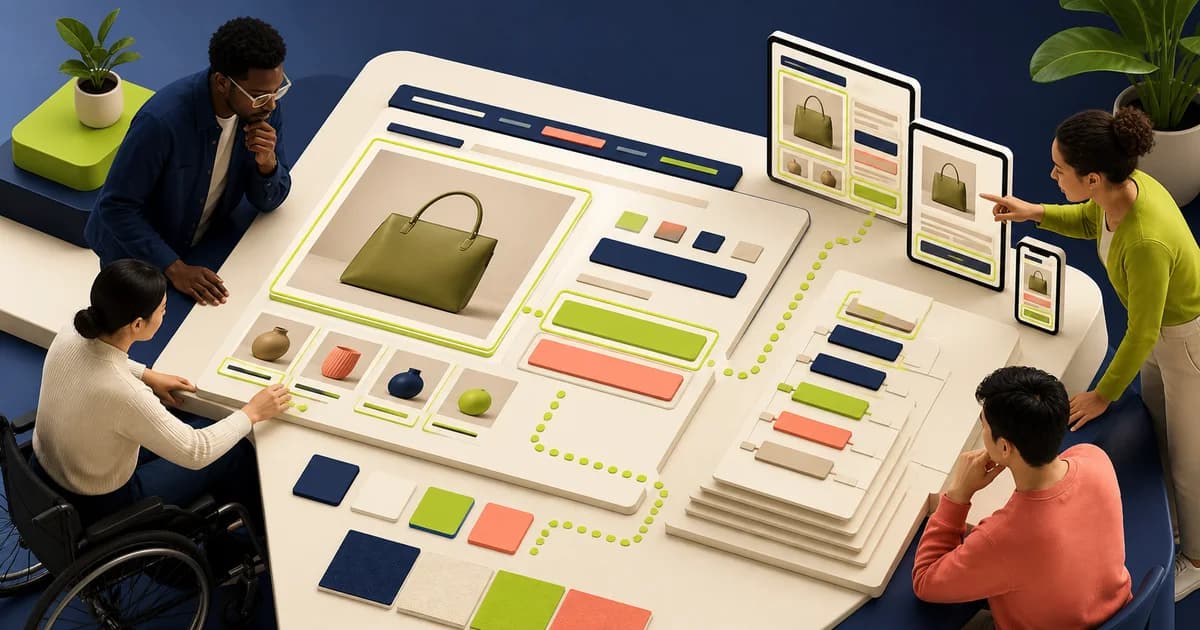
Design a product page in Figma around confident product evaluation, valid option selection, transparent purchase context, and resilient content states.
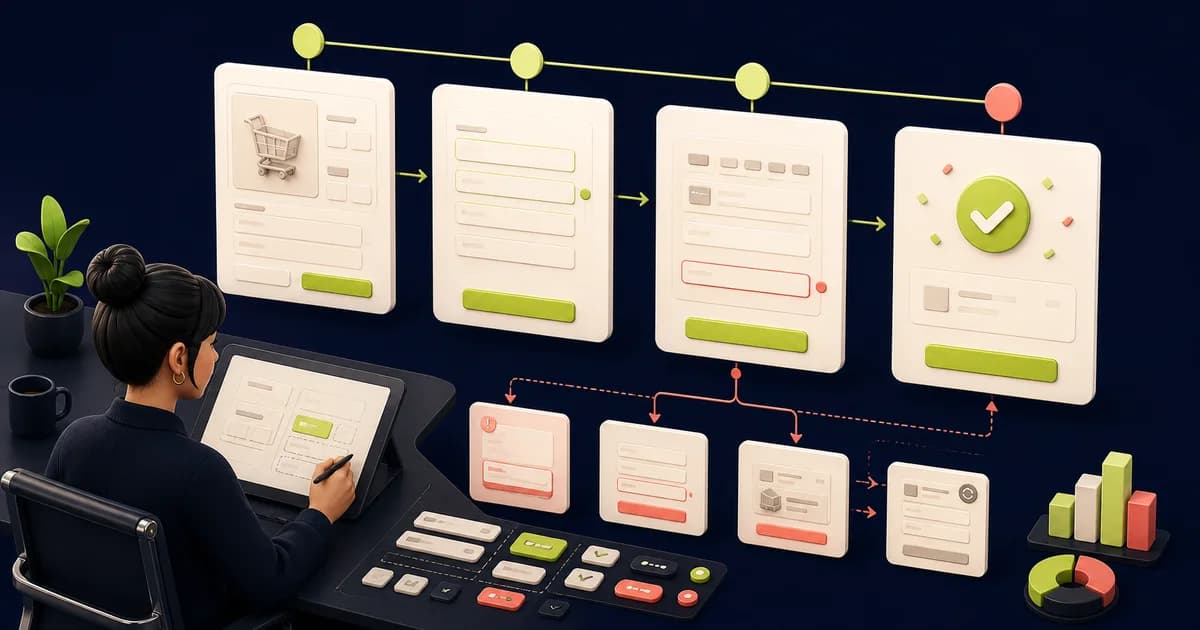
Design checkout in Figma as a short, transparent, recoverable form flow with clear costs, accessible validation, and platform-aware constraints.
Design mobile-first commerce in Figma by prioritizing tasks, making controls comfortable, reducing interruption, and progressively enhancing larger layouts.
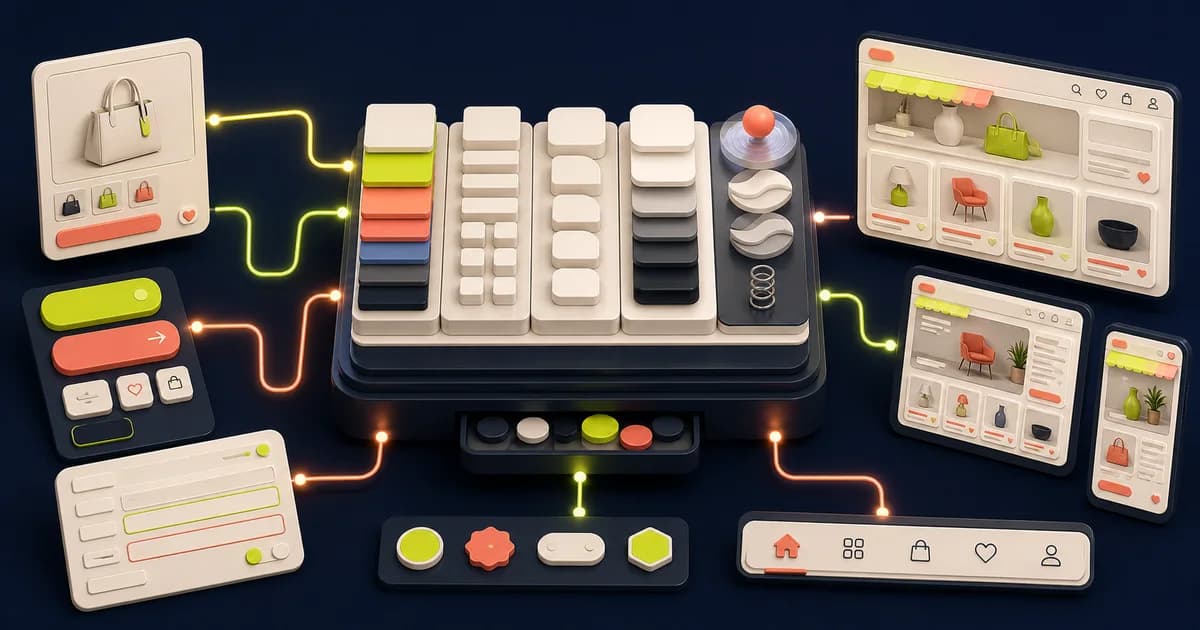
Create e-commerce design tokens around semantic roles, commerce states, modes, and governed delivery across Figma and code.
Design accessible commerce in Figma by specifying structure, contrast, focus, targets, labels, alternatives, errors, and responsive behavior for implementation.
Design · August 23, 2026
Effective e-commerce design makes products easy to find, evaluate, buy, and manage while staying fast, accessible, trustworthy, and adaptable.
A strong store homepage establishes relevance, offers clear routes into the catalog, and uses focused merchandising instead of trying to show everything.
Product pages should combine accurate media, price, options, availability, policy context, and a clear purchase action into one confident decision path.
Category pages work best when they explain scope, support useful filtering and sorting, and preserve product context without overwhelming the catalog.
Page 14 of 42